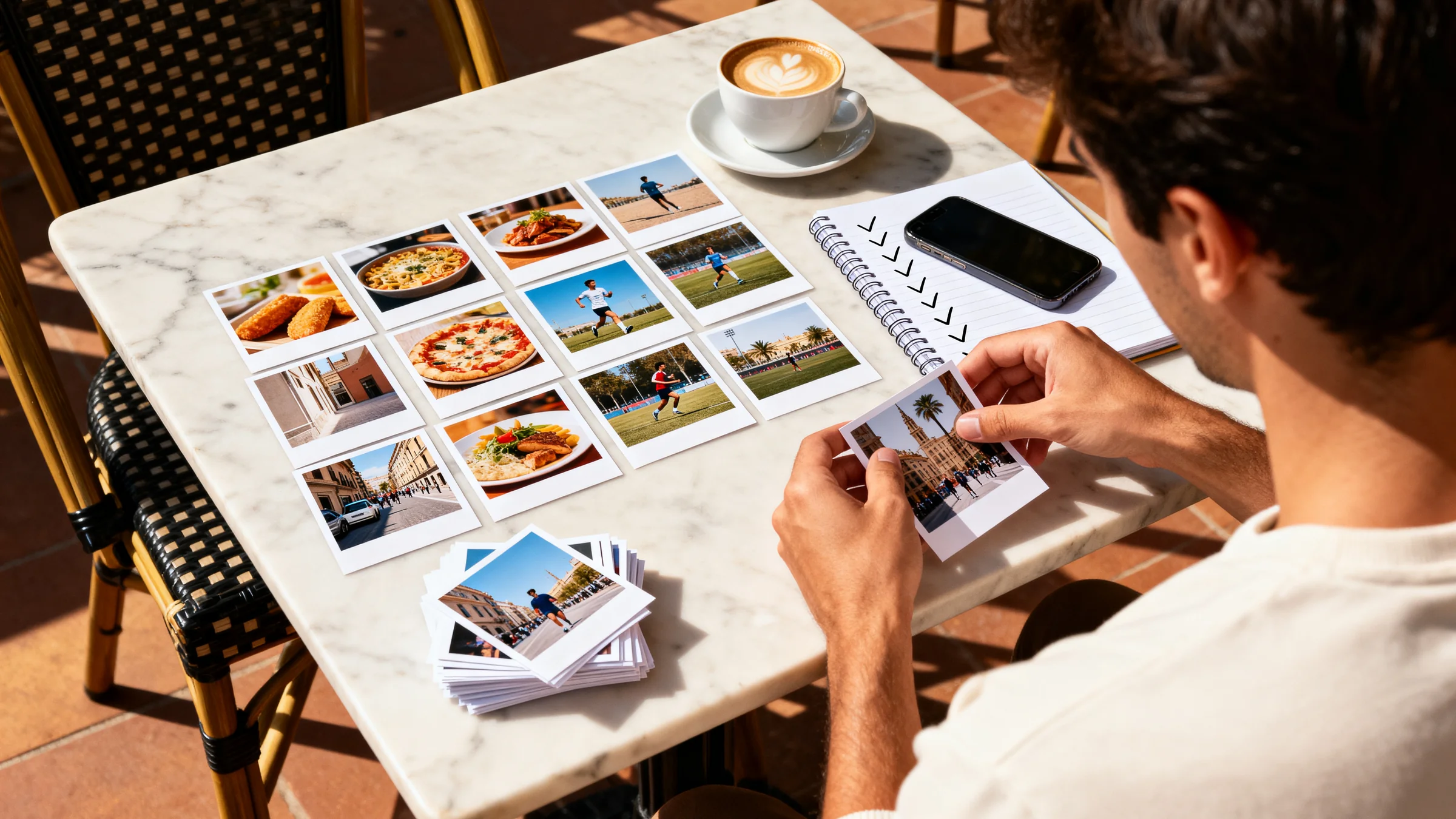
To find micro influencers who fit your brand, start from your own customers and the communities they follow, search the platforms by topic and place rather than by follower count, and then vet every candidate for audience fit, real engagement and past behaviour before you write to anyone. The best matches are rarely the most visible: they are creators whose followers already look like your buyers and who would talk about your category anyway. This guide sets out where to look, a step-by-step process that works across European markets, how to vet creators, how long it takes and the mistakes that waste the most budget.
Last updated: 19 November 2026.
What is a micro influencer?
A micro influencer is a content creator with a modest but engaged following, usually focused on one subject, one community or one place. Definitions vary by platform and by agency, so treat any follower band as a rough guide rather than a rule. What matters more than the number is the relationship: micro influencers tend to know their audience, reply to comments and post about things they genuinely use.
For brands, that closeness is the point. A smaller creator in the right niche can reach exactly the people you want, in their own language and context, with content that feels like a recommendation rather than an advert.
At Odduel, a creative and technology agency in Barcelona and São Paulo, creator campaigns are part of our social media and influencer marketing service, where finding and vetting the right people is the work that decides everything else.
In short: define your audience and campaign goal first; look where your customers already are; search by topic, place and language; shortlist widely; vet for audience fit, engagement quality, brand safety and disclosure habits; then approach a small group with a clear, personal brief.
Where to find micro influencers?
The best sources fall into four groups. Use several, because each finds different people.
Your own audience and customers
- Your followers and tagged posts. People already mentioning or tagging your brand are the warmest candidates.
- Customer lists and reviews. Some loyal customers create content; ask in your newsletter or after a purchase.
- Comments on your posts. Regular, thoughtful commenters sometimes have audiences of their own.
The platforms themselves
- Topic and hashtag search on Instagram, TikTok, YouTube and Pinterest, sorted by recent posts rather than top posts, to find active creators rather than celebrities.
- Location search for local businesses: posts tagged at venues, neighbourhoods and events in your city or region.
- Suggested accounts that appear after you follow a good fit; platforms surface similar creators.
- Official creator marketplaces offered by some platforms, where creators opt in to brand work.
Communities beyond social media
- Newsletters, podcasts and blogs in your niche, many run by creators who also post on social platforms.
- Events, markets and meet-ups, especially for food, fitness, fashion, design and local culture.
- Professional communities for B2B niches, where respected practitioners share expertise.
Tools and partners
- Influencer discovery tools that filter by topic, audience location, language and engagement.
- Creator rosters run by agencies, where creators have already been vetted and agreed to take part in campaigns.
What are the steps to find micro influencers?
Follow this process for each campaign. It works the same way in Spain, France, Germany, Italy, Portugal or the UK, with local language and platform habits as the variables.
- Define the goal. Awareness in a new city, content for your own channels, sales of a product, sign-ups for an event. The goal decides the kind of creator you need.
- Describe your buyer. Age range, interests, location, language and the accounts they already follow. Be specific: “people training for their first half marathon in Lisbon” beats “fitness fans”.
- List search terms. Topics, hashtags, places and phrases in every language you target. In multilingual markets such as Switzerland or Belgium, search in each language.
- Build a long list. Collect thirty to fifty candidates from several sources in a shared sheet: handle, platform, topic, location, language and a link to a typical post.
- Screen quickly. Remove accounts with off-topic content, inactive feeds, audiences in the wrong country or values that clash with yours.
- Vet the shortlist in depth using the criteria in the next section.
- Check terms and fit. Note each creator’s usual formats, past brand work and whether they disclose partnerships clearly.
- Approach a small group personally with a short, specific message and a clear brief.
- Start small. Run a first collaboration, measure it, and build longer relationships with the creators who work well.
How do you vet a micro influencer?
Vetting is where most of the value lies. Look at each shortlisted creator against these criteria.
| Criterion | What to check | Warning signs |
|---|---|---|
| Audience fit | Followers’ location, language and interests, from comments and the creator’s own audience data | Audience mostly in other countries or off-topic |
| Engagement quality | Real conversations in comments, saves and shares relative to views | Generic comments, sudden follower jumps, likes without discussion |
| Content quality | Photography, video, writing, consistency with your brand’s standard | Quality varies wildly; heavy reposting |
| Brand safety | Past posts, tone, controversies, competing sponsorships | Recent work for a direct competitor, offensive content |
| Disclosure habits | Paid partnerships labelled clearly and consistently | Sponsored posts without labels |
| Reliability | Posting rhythm, replies to messages, past deadlines met | Long gaps, unanswered messages |
Ask shortlisted creators for screenshots of their audience data, such as location and age breakdowns. Most are used to sharing them with brands, and the request itself filters out people who are not ready for professional work.
What rules apply to influencer marketing in Europe?
Paid content must be recognisable as advertising. EU consumer law, in particular the Unfair Commercial Practices Directive, bans hidden advertising, and national authorities and advertising self-regulators across Europe have published rules on how influencers should label paid posts. The European Commission’s guidance for influencers and brands collects guidance for creators and brands.
Several countries add their own requirements. France has a specific law on commercial influence, and Spain and Italy have introduced rules for the most influential creators; the UK has its own advertising codes. In practice, brands should:
- Agree in writing how every paid post, gifted product or affiliate link will be labelled.
- Use the platform’s paid partnership tools where available, plus a clear label in the post.
- Avoid claims the brand could not make itself, especially on health, finance and children’s products.
- Handle any personal data shared by creators, such as audience reports, under the GDPR.
How long does it usually take to find micro influencers?
For a focused campaign in one market, finding and vetting a shortlist usually takes a couple of weeks of part-time work, and agreeing terms with the first creators takes another week or two. Campaigns across several countries or languages take longer, because each market needs its own search and vetting.
The process gets faster over time. Once you have worked with a group of creators, re-booking those who performed well takes days, and their recommendations often lead to new candidates. Our article on micro influencer cost explains how time and fees add up.
How do you approach a micro influencer?
Write a short, personal message that shows you know their work. Mention a specific post, explain why your brand fits their audience, and state clearly what you are proposing: the product, the format, the timing, whether the collaboration is paid, gifted or affiliate-based, and the usage rights you need.
Avoid copied messages to dozens of creators at once; they are easy to spot and often ignored. Give a clear reply-by date and a contact person. If someone declines, thank them; creators talk to each other, and your reputation in the community matters.
Some agencies and brands also run open invitations where creators can apply to join a roster for paid campaigns; our own call for micro-influencers is one example of that model.
What are the most common mistakes?
- Choosing by follower count. Reach without fit is wasted spend.
- Skipping audience checks. A creator in your city may have most of their followers elsewhere.
- Ignoring disclosure. Unlabelled paid posts expose both brand and creator to complaints and fines.
- Over-scripting. Creators know what works with their audience; rigid scripts make content feel like adverts.
- One-off posts only. Repeated collaborations with the same creators build trust and usually perform better than single mentions.
- No measurement plan. Agree before the campaign which results you will track, such as reach, saves, link clicks or discount code use.
Finding creators works best inside a wider plan; our guide to building a social media strategy shows where influencer work fits.
Questions people ask
Where can I find micro influencers for my brand?
Start with your own followers, tagged posts and loyal customers, then search platforms by topic, hashtag and location using recent posts. Look in niche newsletters, podcasts and local events, check platforms’ official creator marketplaces, and consider discovery tools or agency rosters where creators have already been vetted for brand work.
What are the steps to find micro influencers?
Define the campaign goal, describe your buyer, list search terms in every target language, build a long list from several sources, screen it quickly, vet the shortlist for audience fit, engagement, quality, brand safety and disclosure habits, then approach a small group personally and start with a first collaboration you can measure.
How long does it take to find micro influencers?
For one market, building and vetting a shortlist usually takes a couple of weeks of part-time work, plus a week or two to agree terms. Campaigns across several countries take longer because each market needs its own search. Once you have a group of reliable creators, re-booking them takes days.
How do you know if a micro influencer has real followers?
Read the comments for genuine conversation, compare saves, shares and replies with views, look for sudden jumps in followers, and ask the creator for screenshots of their audience data such as location and age. Generic comments, engagement without discussion and audiences in unexpected countries are the clearest warning signs.
Do micro influencers have to label paid posts in Europe?
Yes. EU consumer law bans hidden advertising, so paid posts, gifted products and affiliate links must be clearly labelled. Several countries, including France, Spain and Italy, add their own influencer rules, and the UK has its own advertising codes. Brands should agree labelling in writing and use platforms’ paid partnership tools.
Write a one-paragraph description of your buyer and list ten search terms in each language you target; that is the start of your long list. If you want help finding, vetting and briefing creators across Europe, see our social media and influencer marketing service or tell us about your campaign.