AI video for brands works best as one tool inside a planned production: for concepts, backgrounds, short stylised shots, variations and versions, not as a replacement for direction, real products, real people or sound design. Before any AI-generated footage goes public, a brand needs answers to three rights questions: what the tool’s terms allow, whether anything in the output resembles a real person, product or work, and how the content must be labelled.
Last updated: 15 November 2026.
This guide covers where AI fits in brand video, where it does not, how a production that uses it is run, the rights and labelling questions in the EU, and how to judge whether it was worth it.
Can AI make brand videos?
Yes, within limits. Current video models can produce short, striking shots from a text description or a still image: a product floating in an abstract space, a city at dusk, a texture that moves, a stylised sequence that would be costly to film. They can extend a shot, change a background or produce many versions of a scene quickly.
What they do less well is equally clear. Shots are short, and keeping a character, a product or a space consistent across many of them is hard. Fine detail drifts: hands, text, logos and the exact shape of a product. Physical behaviour can look subtly wrong. And a model has no idea what your brand stands for, who the audience is or what the story should be.
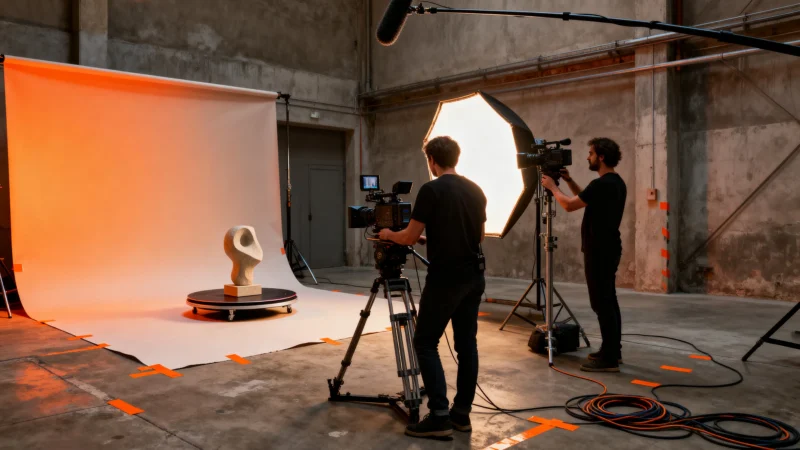
So AI can make parts of brand videos, and sometimes a whole short piece in a deliberately stylised look. A brand film that must show the real product, the real team or a real place still needs a camera, or real photography composited with care.
At Odduel, a creative and technology agency in Barcelona and São Paulo, our video content production service uses generated footage where it serves the idea and keeps real products and people real.
In short: use AI video for ideas, abstract and stylised shots, backgrounds, variations and quick versions. Film or photograph the real product and real people. Add real sound design to everything. Check the tool’s licence, avoid likenesses of real people or products, and label realistic synthetic content as the EU now requires.
Where does AI video fit in a brand production?
The table sets out where AI-generated video tends to help and where it tends to hurt.
| Use | Fit | Why |
|---|---|---|
| Moodboards and animatics | Strong | Shows the idea in motion before money is spent on a shoot |
| Abstract or stylised shots | Strong | No real-world accuracy needed; the look is the point |
| Backgrounds and environments | Good | Can replace costly locations, if lighting matches the real foreground |
| Versions and formats | Good | Extends or reframes shots for different placements |
| Product hero shots | Weak | The product’s exact shape, colour and label must be right |
| Real people and testimonials | Not suitable | Likeness, consent and trust issues; synthetic people misrepresent the brand |
| Long narrative pieces | Weak | Consistency across many shots is still hard |
The product must stay real
A generated shot that shows a lookalike of your product, with a slightly wrong shape, an invented label or a missing detail, misrepresents what customers will receive. The safe pattern is to photograph or film the real product and composite it into generated or designed surroundings, or to leave the product out of generated shots entirely.
People must stay real or clearly stylised
Synthetic faces presented as customers, staff or experts mislead viewers. Where people appear, film real people with their consent, or use a style so clearly illustrative that nobody mistakes it for footage.
How is a production that uses AI video run?
The process looks much like any production, with generation as one of several sources of footage.
- Brief and idea. Audience, message, channel, length, and the one thing viewers must remember.
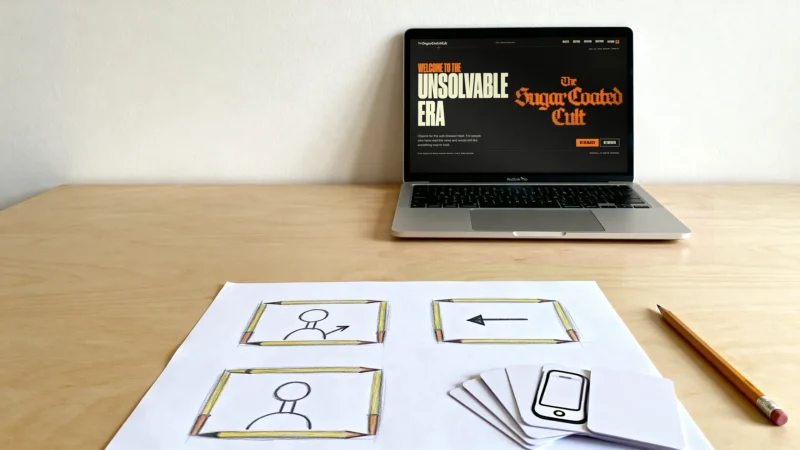
- Script and storyboard. Every shot decided before anything is generated or filmed. Generation without a storyboard produces many beautiful shots that do not cut together.
- Choose the source for each shot. Film, photography, motion design or generation, based on what each shot needs.
- Generate with control. Use reference images, consistent descriptions and the brand’s palette; produce several takes per shot and pick the best, as you would on a shoot.
- Composite and grade. Real products and people combined with generated elements; colour grading so every source looks like one film.
- Sound design and music. Real sound effects, music and voice, mixed to the loudness each platform expects.
- Review and clearance. Brand, legal and rights checks before publication, including labelling.
- Versions. Cut-downs and reframes for each placement.
Our explainer video guide walks through scripting and storyboarding in more detail.
Why does sound design matter so much?
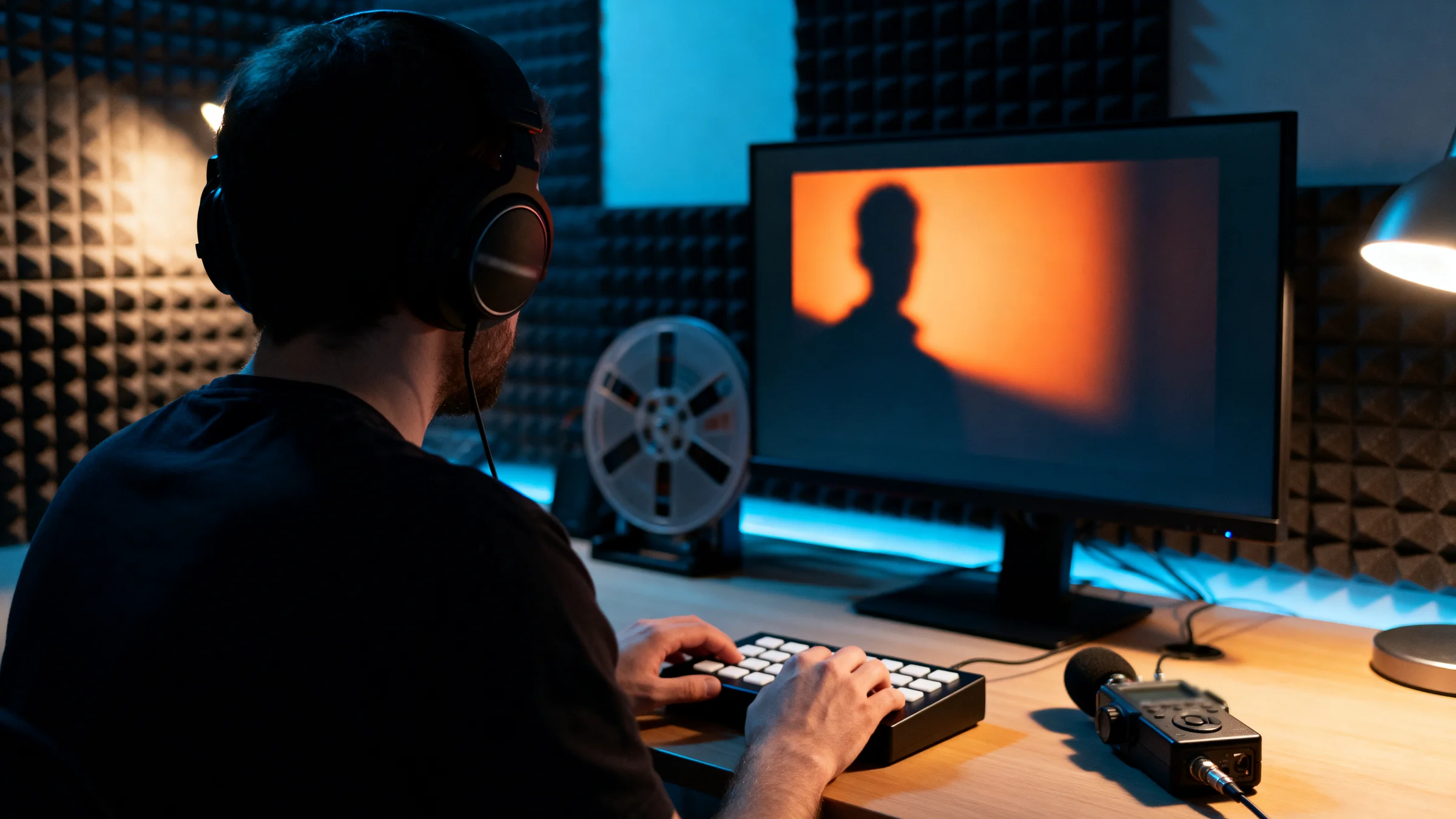
Most generated clips come silent or with generic audio, and silence is the fastest way to make a video feel unfinished. Sound tells viewers what is happening, sets the pace and carries the brand’s character as much as the images do.
Every piece should get a sound layer designed for it: ambience, effects timed to the cuts and movement, music chosen or composed for the mood, and a voice where words help. Mix to a consistent loudness so it sounds right next to other content in a feed, and keep a silent version for placements that autoplay without sound, with captions where speech carries meaning.
What are the rights questions for AI video?
This is where brands most often take risks without noticing. The questions below are a checklist, not legal advice; for a campaign of any size, ask your legal adviser.
What does the tool’s licence allow?
Each tool has its own terms on commercial use, ownership of outputs, use of your inputs for training and indemnities. Read them for the plan you are on: terms can differ between free and paid tiers, and they change.
Who owns the output?
Copyright in purely machine-generated material is uncertain in many countries, because protection usually needs human authorship. Human choices in the script, selection, editing and compositing strengthen your position. Keep records of how each piece was made.
Does the output resemble someone else’s work, person or product?
A generated shot can resemble a real person, a recognisable artwork, a building or another brand’s product. Check outputs as carefully as you would check stock footage, and do not prompt for a named artist’s style, a celebrity or a competitor’s product.
Did you have the right to use the inputs?
Reference images, footage or voices you feed into a tool must be yours or licensed for that use. Voice cloning needs the clear consent of the person whose voice it is.
How must it be labelled?
The EU Artificial Intelligence Act requires deployers of AI systems that generate realistic image, audio or video content resembling real people, places or events, so-called deepfakes, to disclose that the content is artificially generated or manipulated, with lighter obligations for evidently artistic or creative work. Platforms also have their own labelling settings for synthetic content. The simplest policy is to label realistic generated footage clearly and keep a record of where AI was used.
Where should a company start with AI video?
Start small and internal. Use AI video for moodboards and animatics on your next production: the risk is low, the time saved is real and the team learns what the tools do well. Then try a short, stylised piece for social media, with the real product composited and proper sound design, and compare its results with your usual content.
Set a written policy early, even one page: which tools and plans are approved, what may never be generated (real people, the product itself, competitors’ work), how outputs are checked and how content is labelled.
Is AI video for brands worth it?
It is worth it where it saves money or time on shots that would otherwise be costly, or makes a look possible that a normal shoot could not achieve. It is not worth it when it weakens trust: a fake-looking product, a synthetic testimonial or a silent, generic clip costs more in brand value than it saves in production.
The cost profile changes rather than disappears. Generation can replace some location, set and animation work, but direction, editing, compositing, sound and review remain, and generating enough takes to find good ones takes time. Our article on video production cost explains how the cost lines of a production are built.
How do you measure whether it works?
Judge AI-assisted pieces exactly as you judge any video, against the goal set in the brief:
- Attention: view-through rate and average watch time against your usual content.
- Response: clicks, sign-ups or sales from the placement.
- Brand fit: a review by the brand owner against the guidelines, before and after publication.
- Comments and sentiment: watch for viewers noticing artificial footage negatively.
- Production time and cost compared with a fully filmed or animated equivalent.
If attention holds and nobody objects, the method worked for that use. If comments focus on the footage looking artificial, move generated shots back to backgrounds and abstract moments.
Questions people ask
Can AI make professional brand videos?
AI can produce short, high-quality shots, especially abstract, stylised or background footage, and it speeds up concepts and versions. A professional brand video still needs a script, direction, real products and people where they appear, editing, compositing and sound design. AI is most useful as one source of footage inside that process.
Is it legal to use AI-generated video in advertising in the EU?
Generally yes, if you respect the tool’s licence, do not infringe others’ rights or likenesses, and follow advertising and consumer rules. The EU AI Act also requires realistic synthetic content resembling real people, places or events to be disclosed as artificially generated. For larger campaigns, have a legal adviser review usage.
Who owns the copyright of AI-generated video?
It depends on the country and on how much human creative input went into the work. Purely machine-generated material may not be protected in many jurisdictions, while human scripting, selection, editing and compositing strengthen a claim. Check the tool’s terms on ownership and keep records of how each piece was produced.
Should AI-generated brand videos have sound design?
Yes. Generated clips are usually silent or carry generic audio, which makes them feel unfinished. Designed sound effects, music chosen for the mood and a voice where words help give the video pace and character. Mix to a consistent loudness and keep a captioned silent version for placements that autoplay muted.
How do you measure whether AI video works for a brand?
Measure it like any video: view-through rate, watch time, clicks or conversions from the placement, brand-fit review and audience comments, compared with your usual content. Add production time and cost against a filmed equivalent. If attention holds and viewers do not react negatively to the footage, the approach suits that use.
Try AI video first on a moodboard or animatic for your next production, and write a one-page policy on what may and may not be generated. When you want a brand film or a series of social pieces with real sound design and clear rights, see our video content production service or tell us about the idea.